
"Narino origin"
400 article(s) found

Characteristics of Colombian boutique coffee Colombian boutique coffee flavor Colombian boutique coffee
Colombian coffee (Cafe de Colombia), which originated in Colombia, is one of the few individual coffees sold in the world under the name of the country. In terms of quality, it has won praise unmatched by other coffee. Compared with other producing countries, Colombia is more concerned with developing products and promoting production. It is this, coupled with its superior geographical and climatic conditions, that makes Columbus

The latest coffee bean tasting in Colombia? Introduction of Colombian coffee beans
Professional coffee knowledge exchange more coffee bean information please follow Coffee Workshop (Wechat official account cafe_style) Colombian Coffee (Cafe de Colombia) is originated in Colombia and is one of the few individual coffees sold in the world under the name of the country. In terms of quality, it has won praise unmatched by other coffee. Compared with other producing countries, Colombia is more

Colombian Coca Coffee Taste Flavor Colombian Coca Coffee characteristics
Professional barista exchanges please follow the coffee workshop (Wechat official account cafe_style) origin profile: Cauca province, Cauca department, the name comes from the Cauca River, Cauca River. Located in southwestern Colombia, it is an important producing area of Colombian boutique coffee together with Narino Department and Huila Department. Test card

A brief introduction to the Origin, Development, History and Culture of Columbia's exquisite Coffee beans
The suitable climate in Colombia provides a real natural pasture for coffee. Coffee trees in Colombia are mainly cultivated in the Andes, on steep slopes about 1300 meters above sea level, where the annual temperature is about 18 degrees Celsius, annual rainfall is 2000 to 3000 millimeters, latitude 1-11 15 north, longitude 72-78 west, and the specific range of elevation can exceed 2.000 meters. By

Hierarchical and full Columbia exquisite boutique coffee bean flavor, taste and aroma description, Jane
Origin: na Linglong altitude: 1860 m-2220 m processing: washing harvest time: April-June (75%), October-February (25%) varieties: new Kaddura species, Castie baking degree: CITY+ flavor features: roasted almonds, lemon and orange, white chocolate, honey, peach, round body, long aftertaste, balanced annual rainfall of 2000 to 3000 mm, north latitude 1

The method of growing Malagasy coffee beans
Madagascar (Madagascar) is basically a producer of Robbins Coffee, but plans to increase the cultivation of Arabica beans. Since 1989, the coffee industry on the island has been privatized and many regulations have been lifted, with a total output of about 1 million bags a year. As Malagasy people like to drink coffee, the domestic consumption of coffee is very high. The country's Robbins

Columbia Coffee producer Columbia Linglong taste bright acidity juice sweetness
Professional coffee knowledge exchange more coffee bean information please follow the coffee workshop (Wechat official account cafe_style) front street-Columbia Yana Linglong Coffee introduction Nalinglong Micro batch is coffee cultivated by the coffee producing areas in the north of Nari?o province, with its beautiful shape and low defect rate, raw beans are exquisite, small and uniform in size, giving them the name of place of origin. Na Ling

Introduction of Colombian coffee beans with more than 200 grades
The varieties of Colombian coffee are mainly Arabica coffee (coffea arabica), that is, small fruit coffee (small grain coffee). Relatively speaking, large fruit coffee (coffea robusta) is mostly grown in Africa of origin, such as Madagascar coffee. There are several varieties of small fruit coffee. Brazilian coffee, which has the highest yield in the world, has large seeds, strong adaptability and fruit production.

How did Colombian Coca Coffee come from? how do Colombian coffee beans grade?
Professional barista exchanges please follow the coffee workshop (Wechat official account cafe_style) origin profile: Cauca province, Cauca department, the name comes from the Cauca River, Cauca River. Located in southwestern Colombia, it is an important producing area of Colombian boutique coffee together with Narino Department and Huila Department. Test card

Introduction to the description of taste and flavor of Colombian Jindio coffee beans
Description of taste and flavor of Colombian Jindio coffee beans Origin introduction the suitable climate in Colombia provides a real natural pasture for coffee. Coffee trees in Colombia are mainly cultivated in the Andes, on steep slopes about 1300 meters above sea level, where the annual temperature is about 18 degrees Celsius, annual rainfall is 2000 to 3000 millimeters, and latitude 1-1.

Hierarchical and full Columbia exquisite boutique coffee bean planting situation, geographical location, climate sea
The suitable climate in Colombia provides a real natural pasture for coffee. Coffee trees in Colombia are mainly cultivated in the Andes, on steep slopes about 1300 meters above sea level, where the annual temperature is about 18 degrees Celsius, annual rainfall is 2000 to 3000 millimeters, latitude 1-11 15 north, longitude 72-78 west, and the specific range of elevation can exceed 2.000 meters. By

Introduction to the price producing area of Columbia Linglong Coffee with a long aftertaste
Columbia Na Linglong Origin: na Linglong altitude: 1860 m-2220 m processing: washing harvest time: April-June (75%), October-February (25%) Variety: new Kaddura species, Castie Baking degree: CITY+ Flavor Features: roasted almonds, lemon and orange, white chocolate, honey, peach, round body, long aftertaste, balanced Columbia exquisite production

The rich smell of Columbia exquisite boutique coffee beans planting geographical location, climate, altitude is simple
The annual temperature there is about 18 degrees Celsius, the annual rainfall is 2000 to 3000 mm, latitude 1-11 15 north, longitude 72-78 west, the specific range can exceed 2.000 meters above sea level. By a special combination of factors, the latitude, altitude, soil, plant origin of species and varieties of coffee in the coffee growing areas of Colombia, the climate and tropics of the coffee growing areas

A brief introduction to the treatment method of grinding degree and baking degree of Columbia exquisite coffee beans
Colombia's exquisite Tamina boutique raw beans are first produced by Medellin in terms of yield and texture, which is characterized by full granules, rich nutrition, moderate acidity, good balance, rich aroma and soft taste. In addition to Medellin, the provincial capitals of the two neighboring provinces in the south, Armenia (Armenia) and Manisales (M)

A brief introduction to the Origin, Development, History and Culture of Columbia's exquisite Coffee beans
The suitable climate in Colombia provides a real natural pasture for coffee. Coffee trees in Colombia are mainly cultivated in the Andes, on steep slopes about 1300 meters above sea level, where the annual temperature is about 18 degrees Celsius, annual rainfall is 2000 to 3000 millimeters, latitude 1-11 15 north, longitude 72-78 west, and the specific range of elevation can exceed 2.000 meters. By

Pure Colombian Lazmus Manor Coffee Flavor taste country of Origin Manor Grinding degree baking degree
The main varieties of Colombian coffee are Arabica coffee (coffea arabica), that is, small fruit coffee (small grain coffee), while large fruit coffee (coffea robusta) is mostly grown in Africa of origin, such as the famous Madagascar coffee. There are several varieties of small fruit coffee. Brazilian coffee, which has the highest yield in the world, has large seeds and strong adaptability.

Taste characteristics of Colombian Coffee in Columbia Coca Zhuoyue Cup
Professional coffee knowledge exchange more coffee bean information please follow the coffee workshop (Wechat official account cafe_style) above Nalinglong province (Narino) and adjacent to the well-known producing area Huila, although Cauca province is one of the most popular producing areas of COE cup, it is not as well-known as the other two provinces mentioned above, so it began to have Cauca Best Cup cup in 2014
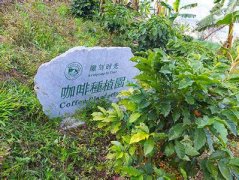
A brief introduction to the origin, development, history and culture of Columbia's exquisite boutique coffee beans.
The suitable climate in Colombia provides a real natural pasture for coffee. Coffee trees in Colombia are mainly cultivated in the Andes, on steep slopes about 1300 meters above sea level, where the annual temperature is about 18 degrees Celsius, annual rainfall is 2000 to 3000 millimeters, latitude 1-11 15 north, longitude 72-78 west, and the specific range of elevation can exceed 2.000 meters. By

Pure Colombian coffee flavor taste country of origin manor introduction to Lazmus manor
The pure taste of Colombian coffee comes from Colombia's natural environment with the most favorable conditions for coffee growth. But beyond that, it is inseparable from the hard work of local growers. In Colombia, coffee cultivation has reached 1.07 million hectares, there are about 302000 coffee plantations in the country, and 30 to 40 per cent of the rural population depends directly on coffee production. Columby